
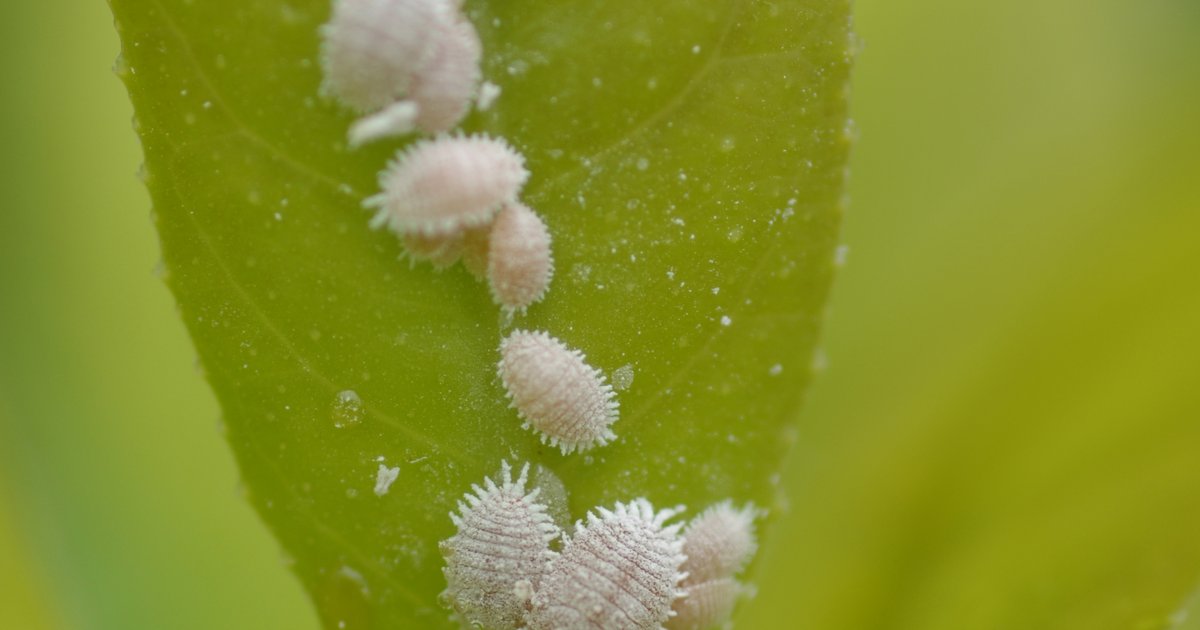
Short answer: white cottony fluff tucked into the leaf joints, under the leaves or around the base of the stem is usually mealybugs. Sticky leaves often come with them. Move the plant away from the others, wipe or rinse off what you can, and dab small groups with a cotton swab dipped in rubbing alcohol. For a bigger crowd, use insecticidal soap and follow the label. Then check every time you water, because a few always hide.
> "That's not snow. Nobody ordered snow." – Phil
How to tell it's mealybugs
- White, cottony fluff in sheltered spots: where leaves meet stems, under leaves, in the center of the plant and on stems near the soil (UC IPM).
- Small oval bugs under the fluff, covered in white wax. They barely move.
- Sticky leaves or a black sooty coating. That's honeydew from the bugs, and the mold that grows on it.
- A tired-looking plant, with slow growth or yellowing leaves, once there are lots of them.
Check the hiding spots first, then follow the right path
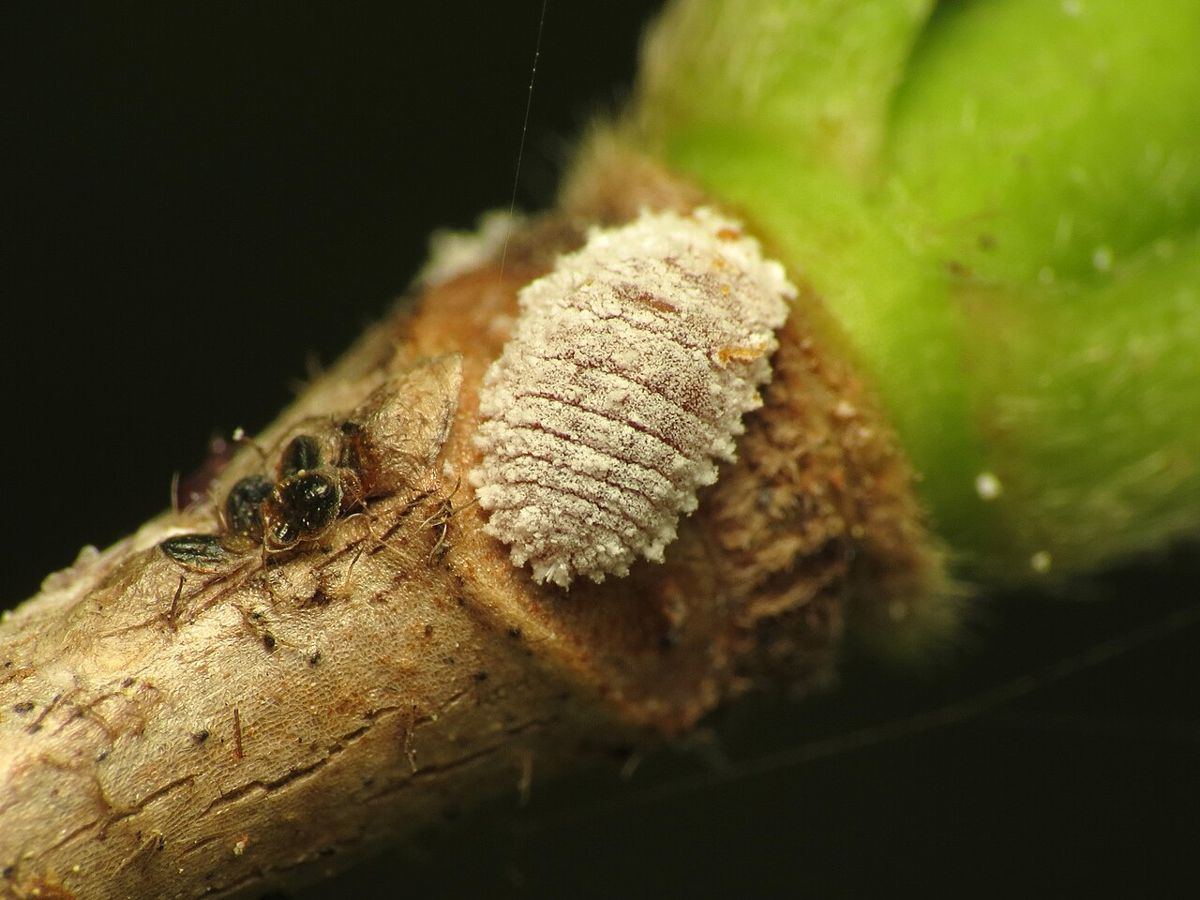
If you see white fluff in the leaf joints or under the leaves: very likely mealybugs. Go straight to the steps below.
If there's fine webbing and pale speckles instead: that's more likely spider mites. See the spider mites guide (coming soon).
If you see white fuzz on the soil, not on the plant: that's usually harmless mold from soil that stays wet, not mealybugs. Check whether the soil is still wet further down under the surface, and let it dry out.
If you're not sure what you're looking at: start at what's wrong with my plant.
How to get rid of mealybugs
- Isolate the plant. Mealybugs crawl to neighbors that touch.
- Wipe or rinse off what you can. A damp cloth or a firm spray of water knocks a lot of them off (UC IPM).
- Dab small groups with alcohol. Dip a cotton swab in household rubbing alcohol and touch it onto each mealybug. They turn light brown when it works. Keep the alcohol off the leaves as much as you can, because it can damage them, and test on one leaf first (University of Maryland Extension).
- For a heavy infestation, spray with insecticidal soap made for indoor plants. Follow the label, test on one leaf first, and cover every surface, especially the hiding spots.
- Check the plant every time you water, and repeat for a few weeks. Eggs and stragglers keep turning up.
- Let it go if it's overrun. A plant covered in fluff from top to bottom can be more trouble than it's worth, and it puts your other plants at risk.
How you'll know it's working
No new fluff in the leaf joints, no fresh stickiness, and clean new growth. If fluff keeps reappearing near the soil, slide the plant out and check the roots, because some mealybugs live there.
How to stop them coming back
- Check new plants in the leaf joints and under the leaves before they join the others.
- Look in the hiding spots when you water. Catching one or two is much easier than catching fifty.
- Don't overdo the fertilizer. Soft, lush new growth is exactly what sap-suckers like.
- Wipe the leaves now and then.
Where Alive-ish fits (and where it doesn't)
Alive-ish is a plant care app for people who've lost a few plants along the way. Take a photo and run a health check, and you get likely causes with fixes. That helps when you're not sure whether that white stuff is bugs, mold or something else. You can also ask Phil whether it's mealybugs or just a bit of fluff off your sweater.
The plain details: you start with 20 free credits. There's no subscription, and credits never expire. A plant ID costs 2 credits, a health check costs 7, and a question for Phil costs 1. If you want more, packs start from US$4.97.
What it can't do: it can't see mealybugs hiding deep in leaf joints or on the roots unless you get them in the shot, and it can't tell you a plant is clear for good. A photo also can't tell whether the soil is still wet further down under the surface, so you still check that yourself. The answer is a best guess, not a guarantee, so use it alongside the checks in this guide.
Related guides
- What's wrong with my plant? Start here
- How to get rid of fungus gnats
- Spider mites on houseplants (coming soon)
- Thrips on houseplants (coming soon)
Sources
- University of Maryland Extension, Mealybugs on Indoor Plants: https://extension.umd.edu/resource/mealybugs-indoor-plants
- UC Statewide IPM Program, Mealybugs (Pest Notes): https://ipm.ucanr.edu/home-and-landscape/mealybugs/
- University of Maine Cooperative Extension, Controlling Insects and Disease in Houseplants (Bulletin #2613): https://extension.umaine.edu/publications/2613e/
(All three checked live from the box on 1 Nov 2026.)