
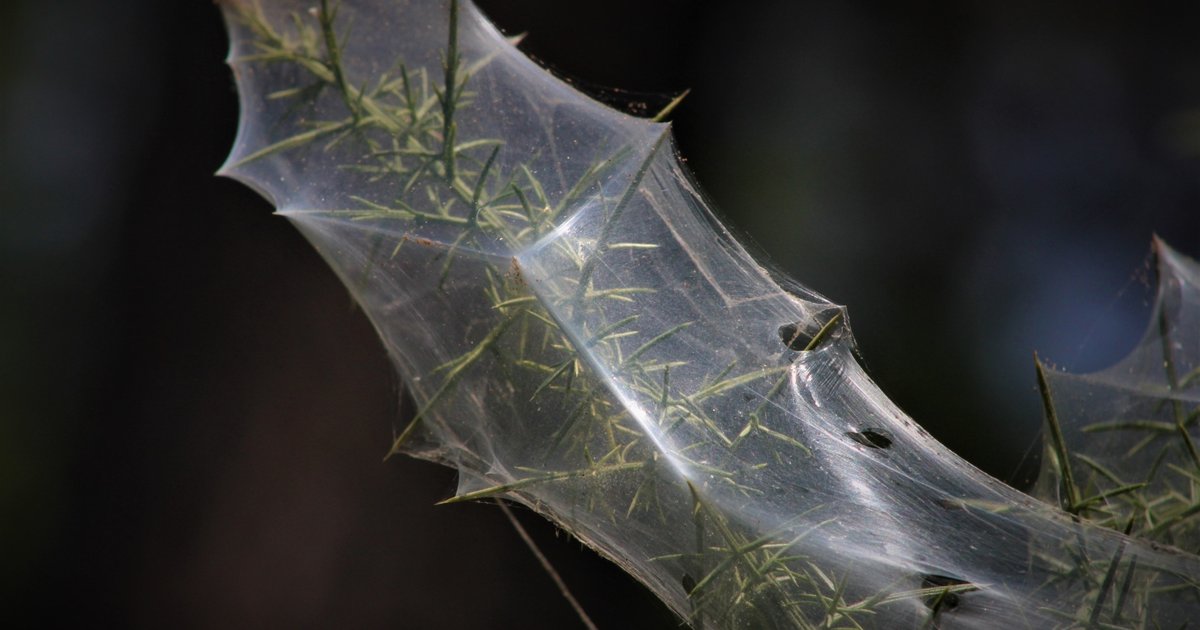
Short answer: if the leaves look dusty, speckled with tiny pale dots, and there's fine silky webbing where the leaf meets the stem, you've probably got spider mites. Turn a leaf over and look underneath. Move the plant away from the others, rinse it well, and spray with insecticidal soap or horticultural oil, following the label. Then keep repeating for a few weeks, because the eggs keep hatching.
> "Eight legs, zero manners. Turn the leaf over." – Phil
How to tell it's spider mites
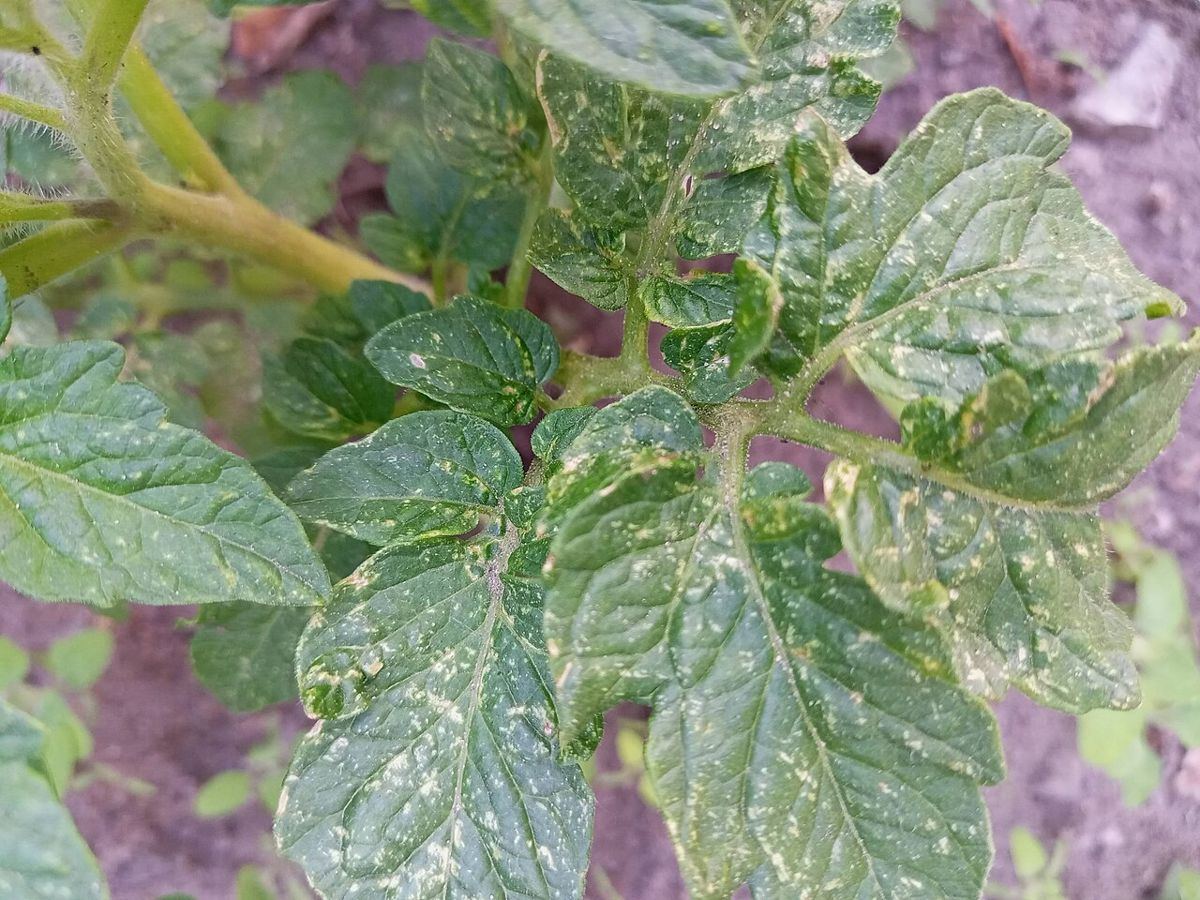
- Tiny pale speckles on the top of the leaf. This is usually the first thing you see. Sometimes the leaves go a bit bronze.
- Fine, silky webbing under the leaves and between the leaf and stem. The webbing is the giveaway: it's what sets spider mites apart from thrips and other tiny pests (UC IPM).
- Tiny moving dots under the leaves. Hold a sheet of white paper under a leaf and tap it. If the specks start walking, they're mites.
- It's not dust. Dust wipes off and doesn't speckle the leaf. A real spider's web is coarser and usually in one spot.
Check under the leaves first, then follow the right path
If you see webbing and speckles: it's very likely spider mites. Go straight to the steps below.
If you see silvery streaks with tiny black specks and no webbing: that sounds more like thrips. See the thrips guide (coming soon).
If you see white fluffy bits in the leaf joints: that's more likely mealybugs. See the mealybugs guide (coming soon).
If you can't see anything at all: check whether the soil is still wet further down under the surface, and start at what's wrong with my plant. Plenty of speckled or yellowing leaves have nothing to do with bugs.
How to get rid of spider mites
- Isolate the plant. Mites spread easily to neighbors.
- Cut off the worst leaves and bin them in a bag.
- Rinse the whole plant with lukewarm water, especially under the leaves. The shower or a sink sprayer works. Cover the soil so it doesn't wash out.
- Wipe big leaves with a soft, damp cloth.
- Spray with insecticidal soap or horticultural oil. Follow the label, test on one leaf first and wait a day before doing the whole plant. Cover every surface, especially underneath. Don't spray a plant that's bone dry or sitting in strong heat (UC IPM).
- Repeat every few days for a few weeks. One round never gets them all.
- Check nearby plants under the leaves too.
A plant that's badly infested and mostly webbing may not be worth the fight. Extension advice is to discard heavily infested plants rather than let them spread mites to the rest (University of Maine Extension).
How you'll know it's working
The speckling on old leaves won't fade, so judge by the new leaves and the webbing. If new leaves come in clean and no fresh webbing turns up after a few rounds, you're winning. If the webbing keeps coming back, check you're really getting the undersides.
How to stop them coming back
- Keep plants away from heaters and hot, dry spots where you can.
- Rinse or wipe the leaves now and then. It clears dust too.
- Look under the leaves when you water, and check new plants before they join the others.
- Keep watering steady. Thirsty, stressed plants get hit harder. Check whether the soil is still wet further down under the surface, and water when it has dried out further down.
Where Alive-ish fits (and where it doesn't)
Alive-ish is a plant care app for people who've lost a few plants along the way. Take a photo and run a health check, and you get likely causes with fixes. That helps when you can't tell one tiny pest from another, or whether it's a pest at all. You can also ask Phil whether that's webbing or just a very committed dust bunny.
The plain details: you start with 20 free credits. There's no subscription, and credits never expire. A plant ID costs 2 credits, a health check costs 7, and a question for Phil costs 1. If you want more, packs start from US$4.97.
What it can't do: it can't see mites hiding under leaves unless you get them in the shot, and it can't tell you a plant is clear for good. A photo also can't tell whether the soil is still wet further down under the surface, so you still check that yourself. The answer is a best guess, not a guarantee, so use it alongside the checks in this guide.
Related guides
- What's wrong with my plant? Start here
- How to get rid of fungus gnats
- Thrips on houseplants (coming soon)
- Mealybugs on plants (coming soon)
Sources
- UC Statewide IPM Program, Spider Mites (Pest Notes): https://ipm.ucanr.edu/home-and-landscape/spider-mites/
- University of Maryland Extension, Diagnose Indoor Plant Problems: https://extension.umd.edu/resource/diagnose-indoor-plant-problems
- University of Maine Cooperative Extension, Controlling Insects and Disease in Houseplants (Bulletin #2613): https://extension.umaine.edu/publications/2613e/
(All three checked live from the box on 1 Nov 2026.)