
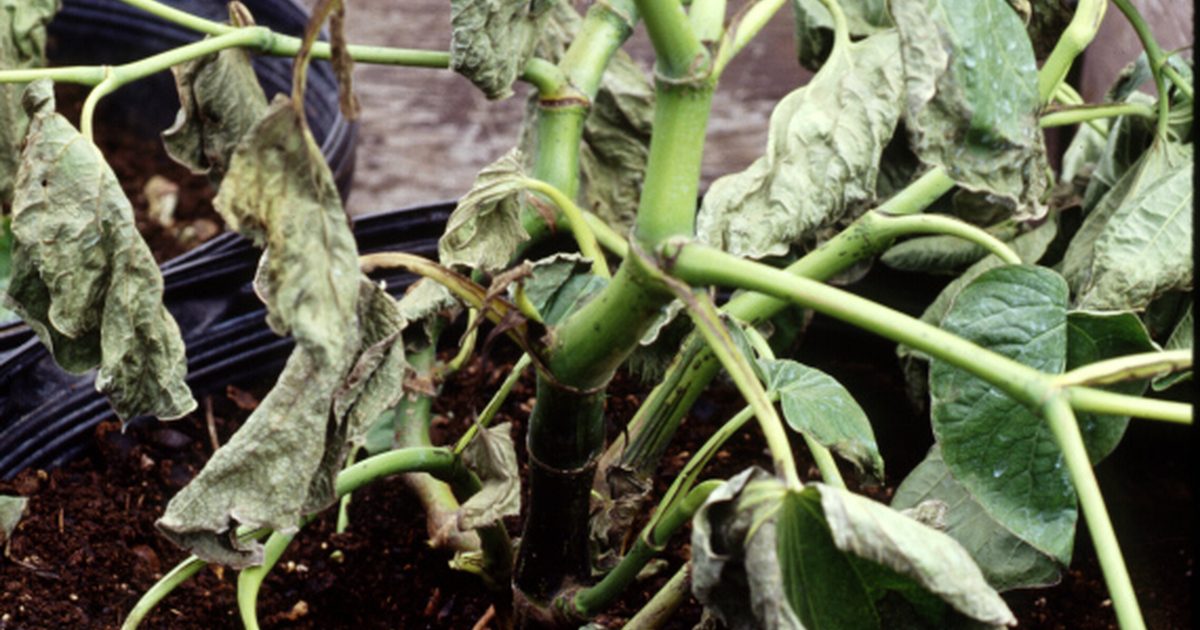
Short answer: root rot usually shows up as a plant that wilts and yellows even though the soil is wet. Check whether the soil is still wet further down under the surface. If it is, don't water. Slide the plant out and look at the roots: firm and pale is healthy, brown or black and mushy is rot. Cut the rotten roots off, repot in fresh mix in a pot that drains, and water less from now on.
> "Droopy in wet soil isn't thirst. Put the watering can down and back away slowly." – Phil
What root rot looks like
Root rot starts underground, so you usually notice it from the leaves first. Iowa State points out that it's easy to mistake for a lack of water, which is exactly why people water a rotting plant again (Iowa State University Extension).
Above the soil:
- Wilting or drooping while the soil is wet. This is the big giveaway.
- Yellow leaves, often starting with the lower, older ones and moving up.
- Leaves dropping or browning, and slow or stalled growth.
- A soft, dark or mushy stem right where it meets the soil.
- A sour or rotten smell from the pot.
- Soil that stays damp for days after watering. Tiny flies hanging around are another hint the soil stays too wet (see fungus gnats).
Below the soil:
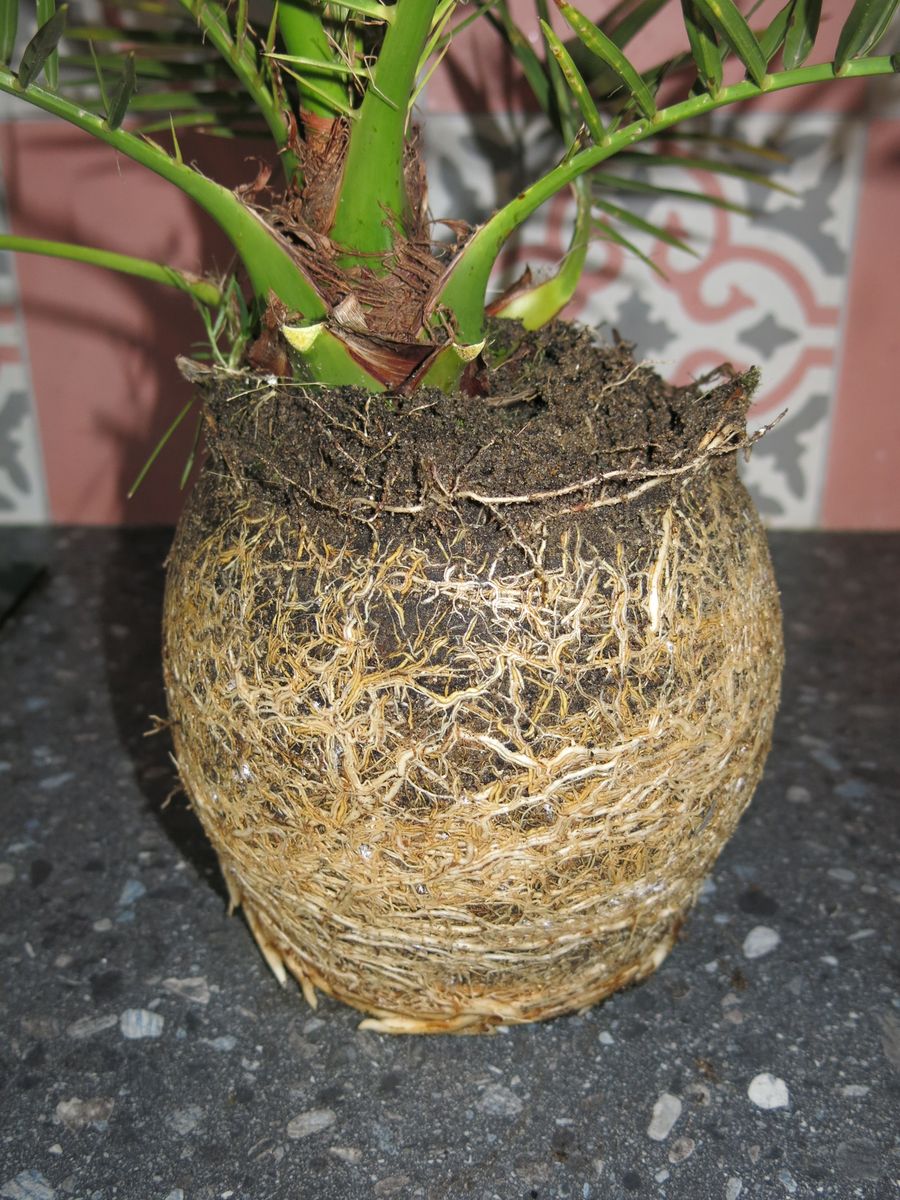
- Healthy roots are firm, pale (white to light tan) and hold together when you touch them.
- Rotten roots are brown or black, soft and mushy, and often smell. The outer layer can slide off and leave a thin thread behind (University of Maryland Extension).
Why it happens
Roots need air as well as water. When potting mix stays soaked, the air pockets fill with water and the roots struggle. Rot organisms thrive in wet, poorly drained mix and go after roots that are already stressed (Iowa State University Extension). The usual setup is too much water, a pot with no drainage hole, a saucer or cover pot holding water, or a pot much bigger than the roots.
Check the soil first, then follow the right path
If the soil is still wet further down under the surface and the plant is wilting: don't water. Go straight to the roots (steps below). This is the case that most often turns out to be rot.
If the soil is wet but the plant still looks okay: hold off watering until it has dried out further down, empty the saucer and make sure the pot drains. Keep an eye on it for a week or two. The (coming soon) overwatered plant guide covers this in more detail.
If the soil is dry all the way through and the pot feels light: it's more likely thirst than rot. Give it a slow, thorough drink until water runs out the bottom. See how often to water houseplants.
How to fix root rot
- Stop watering. Don't add any more water to a wilting plant in wet soil.
- Slide the plant out of its pot. Tip it on its side and ease it out, supporting the base of the stems.
- Rinse or loosen the old soil so you can actually see the roots.
- Cut off every rotten root with clean scissors: anything brown, black, mushy or smelly. Trim any soft, dark stem at the base too. Leave the firm, pale roots alone.
- Remove leaves that are fully yellow or mushy. They won't recover, and a smaller plant is easier for fewer roots to support.
- Repot into fresh, well-draining potting mix in a clean pot with a drainage hole. Don't reuse the old soil. If you're reusing the pot, wash it well first.
- Go easy on the water. Give it a light drink, then wait until it has dried out further down before watering again.
- Give it bright, indirect light and keep it out of harsh direct sun while it recovers.
- Be patient. Some droop for a while is normal. New growth over the next few weeks is the real sign it's working.
These steps follow the root rot advice from South Dakota State University Extension and the University of Maryland Extension.
Can it be saved?
If there are still a good number of firm, healthy roots, there's a decent chance. If almost all the roots are mush and the stem is soft, the plant may not come back, and that's okay to admit.
Before you give up, look for any firm, healthy stems. Many common houseplants, like pothos, can be grown again from cuttings. Take a few from the healthiest growth, root them in water or fresh potting mix in bright, indirect light, and you get to keep the plant in a new form. The (coming soon) guide on how to save a dying plant goes through this.
How to stop it coming back
- Water by the soil, not the calendar. Before every drink, check whether it's still wet further down under the surface. Only water once it has dried out further down.
- Use pots with drainage holes. If you love a pot without one, keep the plant in a plastic pot with holes inside it.
- Empty saucers and cover pots after watering so the roots never sit in water.
- Don't oversize the pot. Extra soil around small roots stays wet for longer.
- Water less in cooler, darker months. Plants drink less when they're growing less.
Not sure it's root rot at all? Start at what's wrong with my plant.
Where Alive-ish fits (and where it doesn't)
Alive-ish is a plant care app for people who've lost a few plants along the way. Run a health check from a photo and you get likely causes with fixes, which helps when you can't tell if it's water, light or something else. Watering reminders help you water on a schedule you set for each plant instead of guessing.
The plain details: you start with 20 free credits. There's no subscription, and credits never expire. A plant ID costs 2 credits, a health check costs 7, and a question for Phil costs 1. If you want more, packs start from US$4.97.
What it can't do: it can't see under the soil, so it can't look at the roots for you, and a photo can't tell whether the soil is still wet further down under the surface. You still check both yourself. The answer is a best guess, not a guarantee, so use it alongside the checks in this guide.
Related guides
- What's wrong with my plant? Start here
- How often to water houseplants
- How to get rid of fungus gnats
- Overwatered plant: signs and how to fix it (coming soon)
- How to save a dying plant (coming soon)
Sources
- University of Maryland Extension, Root Rots of Indoor Plants: https://extension.umd.edu/resource/root-rots-indoor-plants
- Iowa State University Extension, Root Rots of Houseplants: https://yardandgarden.extension.iastate.edu/article/2014/02-14/rootrot.html
- South Dakota State University Extension, Troubleshooting Common Problems: Houseplant How-To: https://extension.sdstate.edu/troubleshooting-common-problems-houseplant-how
(All three checked live from the box on 2 Nov 2026.)